
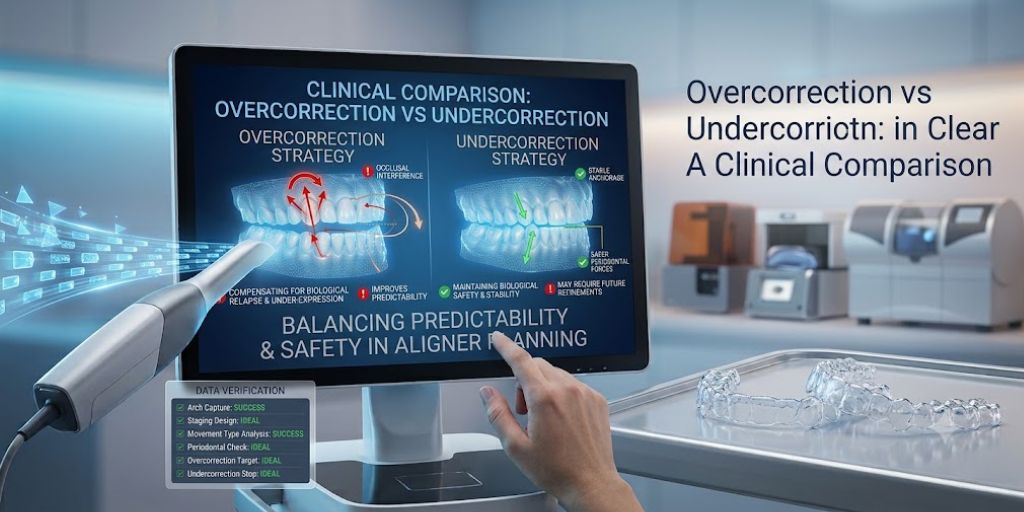
Overcorrection vs Undercorrection in Clear Aligners: A Clinical Comparison
In clear aligner treatment planning, precision is not only about directing tooth movement, but it […]
STL-to-Manufacturing Pipeline: From Scan to Finished Aligners
The journey from a digital scan to a finished set of clear aligners is one […]
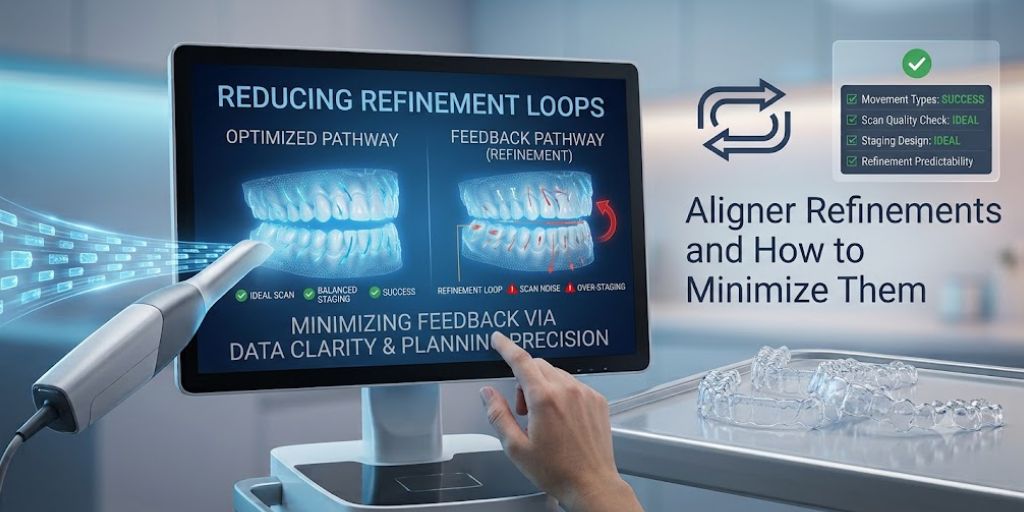
Aligner Refinements and How to Minimize Them
Refinements are a natural part of clear aligner therapy, but they are often misunderstood as […]
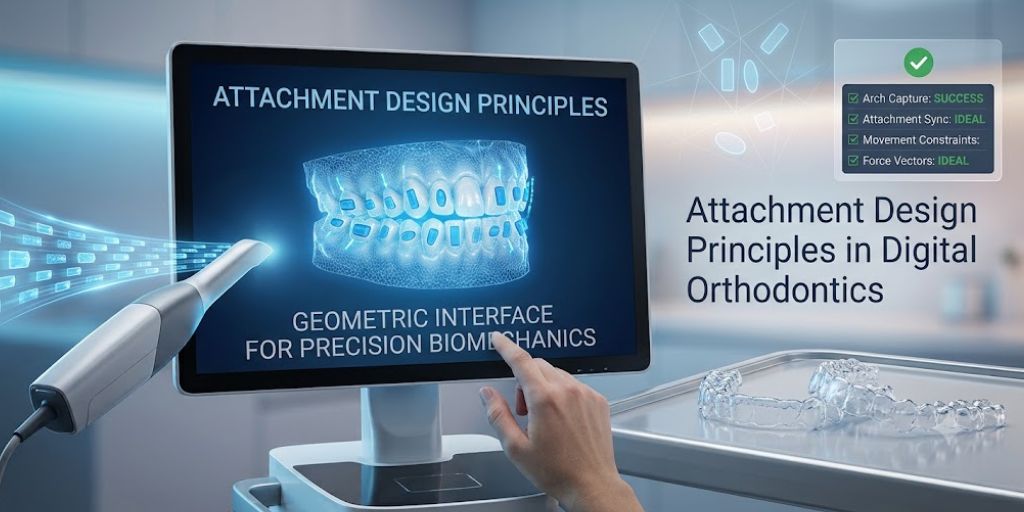
Attachment Design Principles in Digital Orthodontics
Attachments are one of the most misunderstood yet essential components of clear aligner therapy. While […]
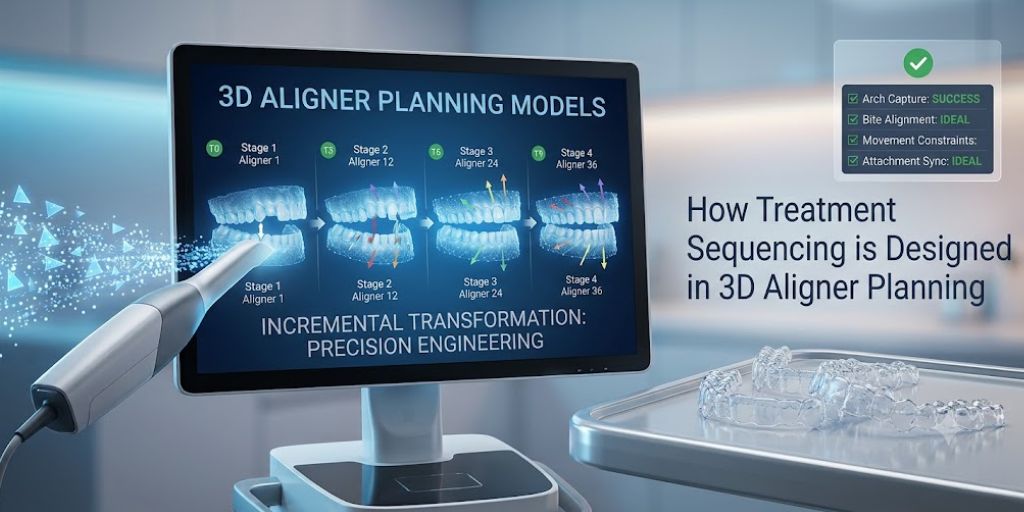
How Treatment Sequencing is Designed in 3D Aligner Planning
Treatment sequencing is the invisible logic that determines how teeth move from their initial position […]
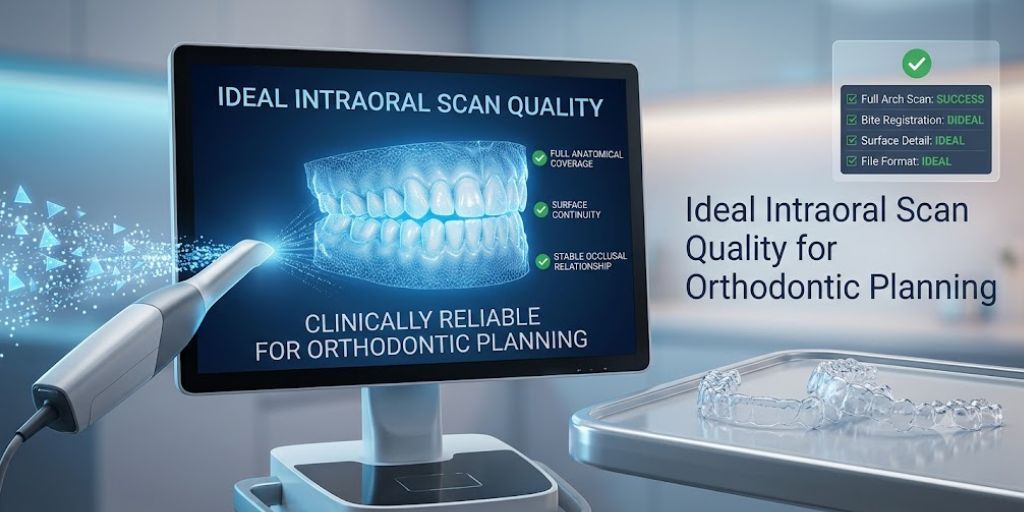
Ideal Intraoral Scan Quality for Orthodontic Planning
Intraoral scanning has replaced traditional impressions in modern orthodontics, but the shift to digital dentistry […]
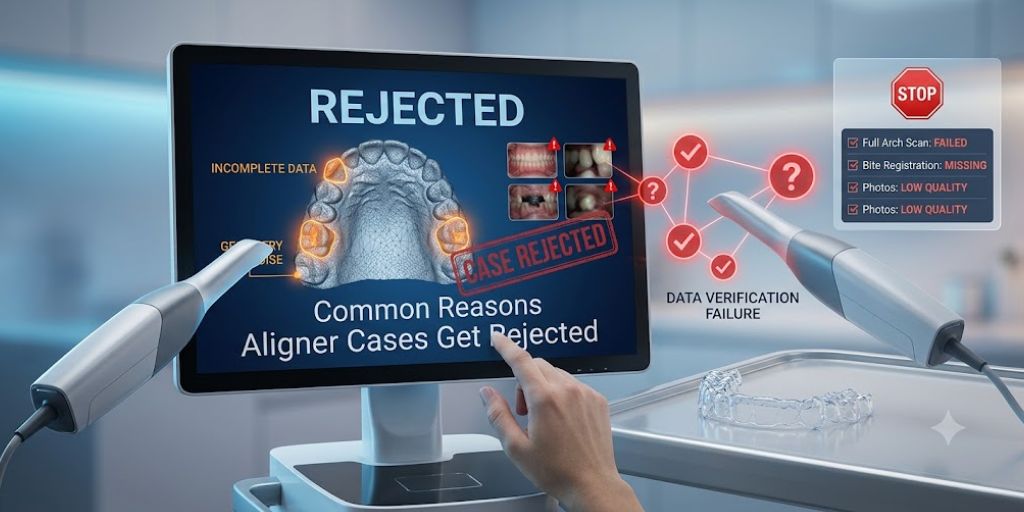
Common Reasons Aligner Cases Get Rejected by Planning Teams
Case rejection in clear aligner workflows is often misunderstood as a clinical limitation. In most […]
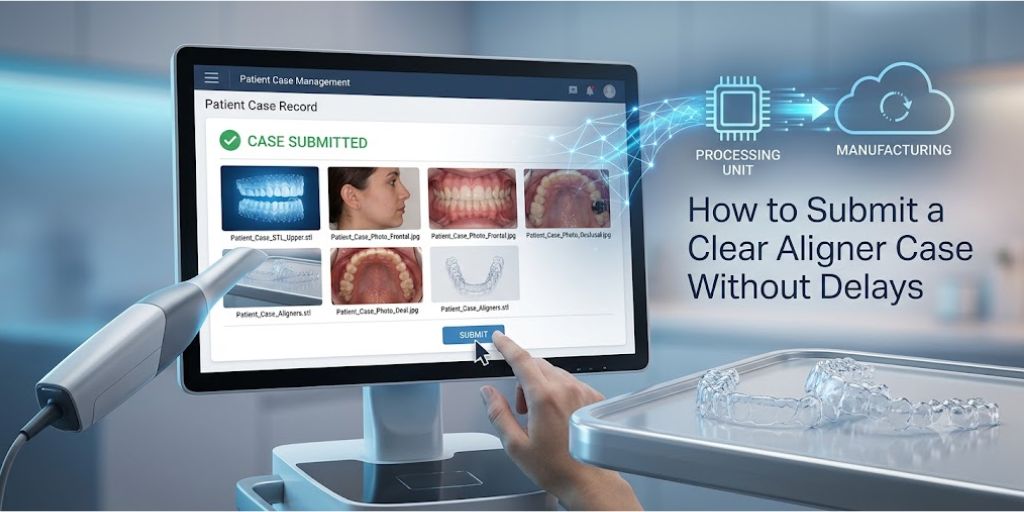
How to Submit a Clear Aligner Case Without Delays
Delays in clear aligner treatment planning are often misattributed to processing teams or manufacturing constraints. […]
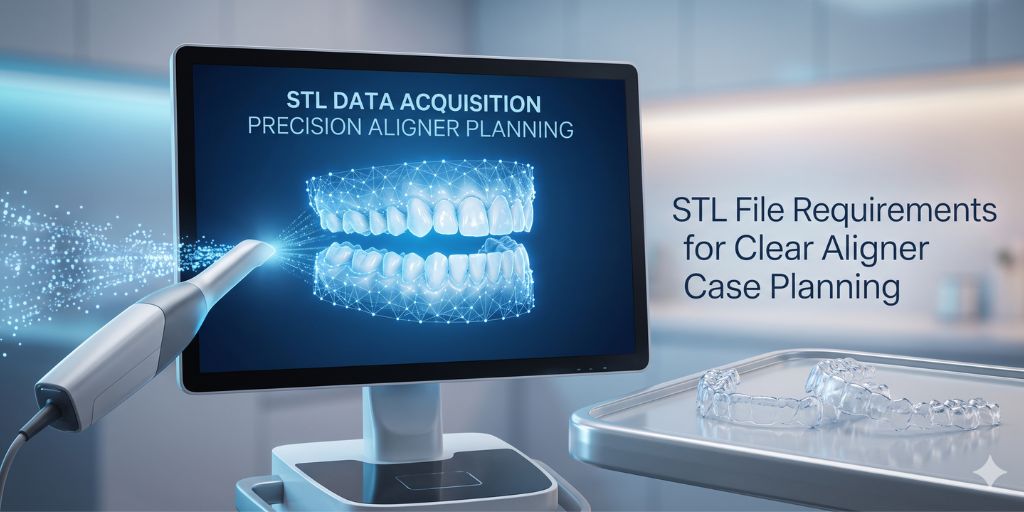
STL File Requirements for Clear Aligner Case Planning
STL files are the foundation of modern clear aligner treatment planning. Every movement simulated in […]
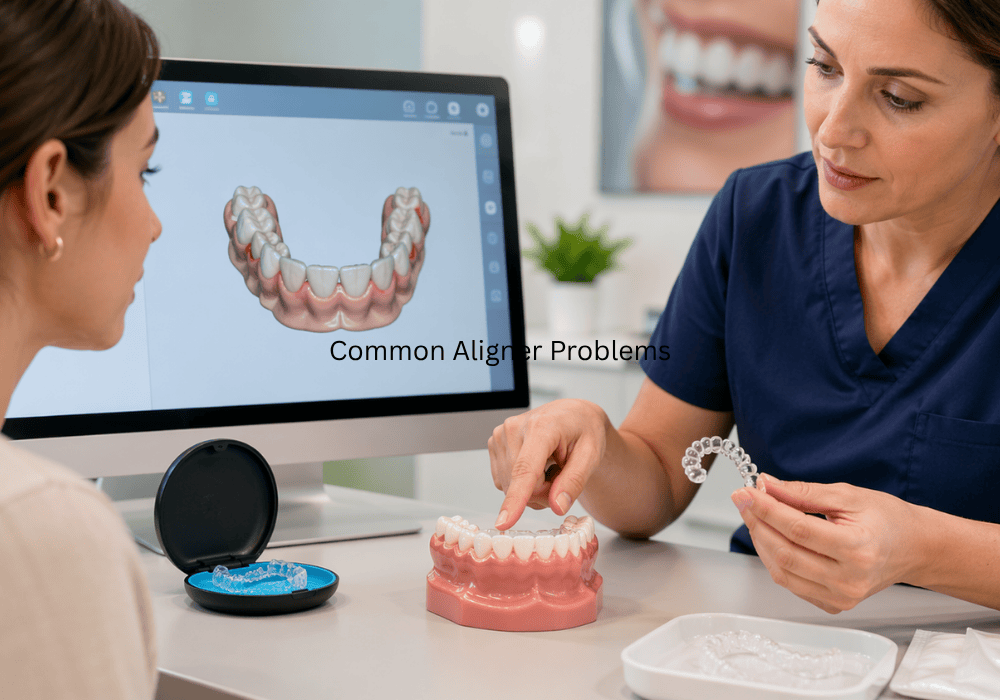
Common Aligner Problems and How to Fix Them: A Practical Guide for Patients
Clear aligners are often presented as simple. Wear the trays, change them on schedule, and […]